


- von Daniel Pawlik
Wie wählt man ein Sofa aus? – Ein vollständiger Kaufratgeber für jedes Zuhause
- von Daniel Pawlik
Das Central Perk Sofa war orange. Das in der Wohnung deiner Großmutter war brauner Kord mit leicht abgenutzten Armlehnen. Das in deinem Studentenwohnheim kam vom Cousin eines Freundes eines Freundes und hatte Zigarettenbrandflecken, über die niemand sprach. Das Sofa in deiner ersten richtigen Wohnung war das erste Möbelstück, das sich wirklich wie deines anfühlte – das, das du selbst ausgewählt hast, das aus einem Laden kam und nicht aus dem Sperrmüll, das endlich mitten im Raum stand, als gehörte es zu einer Version von dir, die ein bisschen erwachsener geworden war.
Wir erinnern uns an Sofas, wie wir uns an Lieder erinnern. Sie markieren Kapitel. Wenn du also das nächste auswählst – das, das die nächsten Erinnerungen beherbergen wird –, ist es wichtiger, als die Einkaufsliste vermuten lässt.
Dies ist unser Sofa-Kaufratgeber: wie man die richtige Größe wählt, welches Material wirklich hält, welche Farbe am besten altert und welche Merkmale ein Stück, das ein Jahrzehnt überdauert, von einem unterscheiden, das nach drei Jahren durchhängt.
Die Wahl eines Sofas beginnt mit Mathematik – und endet dann mit einer Entscheidung, die du mit deinem Körper triffst, nicht mit deinem Taschenrechner.
Zweimal messen. Dann auch den Türrahmen, das Treppenhaus und den Aufzug messen. Die herzzerreißendsten Geschichten über Sofalieferungen handeln nicht von Ästhetik – sie handeln von einem wunderschönen Stück, das nicht durch die Haustür passte.
Die Regeln, die wirklich helfen:
Gib dem Sofa 60–70 % der Wand, an der es steht. Weniger wirkt unausgewogen; mehr überfüllt den Raum.
Sitzbreite pro Person: mindestens 60–65 cm. Ein „Dreisitzer“ mit insgesamt 180 cm ist kein Dreisitzer – es sind zwei Erwachsene und ein kleines Kind, unbequem zusammengedrängt.
Sofatiefe 90–100 cm zum Loungen; 85 cm für eine aufrechtere, essplatznahe Sitzposition.
Sitzhöhe 40–45 cm; Rückenhöhe 80–90 cm.
60–80 cm zwischen Sofa und Couchtisch – genug, um die Beine auszustrecken, aber nicht so viel, dass man sich für ein Getränk nach vorne lehnen muss.
Gehbereich um das Sofa: 90 cm, wo möglich.
Mini-Checkliste vor der Bestellung:
Türrahmenbreite einschließlich Rahmen,
Treppenabsätze und Wendebereich im Treppenhaus,
Deckenhöhe im Aufzug,
Korridorbreite von der Haustür zum Wohnzimmer.
Für kleinere Räume funktioniert oft ein Zweisitzer oder Loveseat mit Chaiselongue (140–200 cm) besser als ein voller Dreisitzer. Für Familien oder echte Gastgeber bietet ein Ecksofa oder Modulsofa flexible Sitzmöglichkeiten, ohne separate Sessel zu benötigen. Vergleiche die Proportionen nebeneinander in der Pillovely Sofakollektion – reale Maße in realen Interieurs zu sehen, ist einfacher, als sie sich auf dem Papier vorzustellen.

Die Materialfrage hängt davon ab, wie du tatsächlich lebst, nicht davon, was auf einem Foto am besten aussieht.
Stoff (Leinen, Baumwolle, Chenille, Performance-Gewebe). Weicher, wärmer, größere Stilvielfalt. Oft mit abnehmbaren, waschbaren Bezügen erhältlich – ein Game Changer für den täglichen Gebrauch. Verzeiht in wärmeren Monaten mehr. Performance-Gewebe meistern das Familienleben besser, als ihr Ruf vermuten lässt. Reines Leinen ist schön, fleckt aber schnell. Am besten geeignet für: Alltagshaushalte, Familien, Mieter, die Flexibilität schätzen.
Leder. Altert mit Charakter statt mit Verschleiß. In Sekundenschnelle sauber wischbar. Hält Jahrzehnte bei grundlegender Pflege. Kühl im Sommer, kalt im Winter. Höherer Einstiegspreis, geringere Kosten pro Jahr über seine Lebensdauer. Am besten geeignet für: Haushalte mit Haustieren, Leute, die auf dem Sofa essen, alle, die das Stück 20+ Jahre behalten wollen.
Samt. Der schmeichelhafteste Stoff unter Lampenlicht. Überraschend langlebig in modernen Polyester-Mischgewebe-Versionen. Verleiht sofort Tiefe und Wärme. Muss regelmäßig gesaugt werden, um den Flor aufrecht zu halten. Am besten geeignet für: Haushalte, in denen das Sofa der Anker des Raumes ist; alle, die sich zu einem theatralischeren Interieur hingezogen fühlen.
Bouclé verdient eine Erwähnung neben diesen dreien – strukturiert, warm und zunehmend beliebt. Creme- und Haferversionen altern wunderschön und verstecken Krümel überraschend gut.
Für Familien oder größere Haushalte, in denen das Sofa auch als gelegentliches Bett dient, deckt die Pillovely Ecksofas-Reihe alle vier Materialfamilien in ihren verzeihendsten modernen Versionen ab.
Die vielseitigsten Sofafarben – die, die zu fast jeder Wandfarbe, jedem Akzent, jeder Stilrichtung passen – gehören zu einer kleinen, aber mächtigen Familie. Pillovely tendiert konsequent zu dieser Familie: Farben, die aus Erde und Natur stammen, Töne, die ihren Reiz nicht nur eine Saison, sondern Jahrzehnte lang bewahren.
Warme Neutraltöne. Creme, Hafer, Pilz, Greige. Die sicherste Wahl, die nie sicher wirkt. Schmeichelt Holzböden, geschichteten Teppichen und jeder Akzentfarbe, die man dazu kombiniert. Das Sofa Tola mit Schlaffunktion in Sunny Pearl oder Creamy Fluff gehört genau zu dieser Familie.
Dunkelgrün. Wald, Salbei, Olive. Das inoffizielle Neutral der letzten Jahre. Altert wie Leder – gewinnt mit der Zeit an Charakter, verliert ihn nicht. Grün hat ein zweites Leben als ökologisches Signal: Natur im Inneren, die Farbe der Welt, die man draußen schützen möchte.
Warme Braun- und Kameltöne. Braun feiert still und leise ein Comeback – nicht die kalten Brauntöne der 1990er, sondern die warmen Kakao-, Kastanien- und Karamelltöne, die sich wie eine gut getragene Lederjacke anfühlen.
Rost und Terrakotta. Markanter als die anderen, aber wirklich warm. Besonders gut in Räumen mit viel natürlichem Licht.
Dunkelblau und Marine. Modern, fokussiert, beruhigend. Passt wunderbar zu Messing und warmem Holz.
Farben, denen wir mit mehr Vorsicht begegnen würden:
reines Weiß – unerbittlich im täglichen Leben,
kühles Grau – ein trendsetzender Trend, der nun schnell altert,
helle Primärfarben – schränken Ihre Styling-Flexibilität über Jahre ein,
blasse Pastelltöne – langfristig schwer zu kombinieren.
Wenn du dich zu einer kräftigeren Farbe hingezogen fühlst, ziehe ein kleineres Möbelstück in diesem Farbton in Betracht – einen Sessel, einen Zweisitzer – und halte das Hauptsofa neutral. Persönlichkeit ohne Verpflichtung.
Der Abschnitt über Merkmale in jedem Sofa-Kaufratgeber zeigt, wo echte Qualität liegt – und wo billigere Sofas still und leise versagen. Hier überlistet die Mathematik „billig jetzt, teuer später“ die meisten Käufer. Rahmenkonstruktion:
Massivholz (Buche, Eiche, Birke) hält 15–25 Jahre,
Weichholz oder Spanplatte hält 3–7 Jahre,
frage vor dem Kauf, woraus der Rahmen besteht.
Verbindungen:
gedübelte, geklebte und geschraubte Verbindungen (am besten),
Eckblöcke zur Verstärkung wichtiger Belastungspunkte,
nur getackerte oder genagelte Verbindungen – vermeiden.
Federung:
achtfach handgebundene Federn – plüschig, teuer, am längsten haltbar,
Sinuosfedern – fester, häufig in Sofas der mittleren Preisklasse, zuverlässig,
elastische Gurtbänder – gut für leichtere Beanspruchung, hängt bei täglicher Nutzung schneller durch.
Kissenfüllung:
hochdichter Schaumstoff (35–50 kg/m³), umwickelt mit Fasern – der optimale Punkt,
reine Faser – weicher, verliert aber schneller die Form,
Feder- und Daunenfüllung über Schaumstoff – luxuriös, muss häufig aufgeschüttelt werden.
Alltagsdetails, die es sich zu prüfen lohnt:
abnehmbare, waschbare Bezüge verlängern die Lebensdauer dramatisch,
wendbare Sitzkissen nutzen sich gleichmäßig ab,
Stoffschutz oder Performance-Behandlung,
abgerundete statt scharfe Armlehnenkanten,
Beine mindestens 15 cm über dem Boden.
Sofa-Einkaufstipps, die selten erwähnt werden:
sitze vor dem Kauf mindestens 10 Minuten darauf,
lehne dich vollständig zurück – nicht nur aufrecht sitzen,
lege dich hin, wenn es der Laden erlaubt,
prüfe die Lieferzeit (eine 12-wöchige Wartezeit ist ein echtes Problem),
lies die Rückgabebedingungen genau durch.
Das beste Sofa ist selten das billigste und selten das teuerste – meistens ein Stück der mittleren Preisklasse von einer Marke, die transparent mit Materialien umgeht. Kostenlose Stoffmuster (viele Marken, einschließlich Pillovely, bieten sie an) überbrücken die Lücke zwischen Online- und persönlichem Einkauf besser, als Fotos es je können.

Wie lange sollte ein gutes Sofa halten?
Ein gut verarbeitetes Sofa mit Massivholzrahmen und hochwertigem Schaumstoff hält bei täglichem Gebrauch 15–20 Jahre. Kissen müssen möglicherweise nach 8–10 Jahren aufgeschüttelt oder ersetzt werden; der Rahmen überdauert sie.
Was ist das beste Sofa für eine Familie mit kleinen Kindern?
Ein Stoffsofa mit abnehmbaren, waschbaren Bezügen in einem mittleren Erdton (Hafer, Salbei, Greige, warmes Braun). Performance-Gewebe und pflegeleichte Samtstoffe bewältigen Flecken und den alltäglichen Schmutz bemerkenswert gut.
Lohnt es sich, mehr für ein Sofa auszugeben?
Meistens ja – aber nicht endlos. Der optimale Punkt ist ein Sofa der mittleren Preisklasse mit Massivholzrahmen und richtigem Schaumstoff. Ab einem bestimmten Punkt kauft man mit zusätzlichen Kosten eher Prestige als Haltbarkeit. Sollte ich ein Sofa online oder persönlich kaufen? Beides funktioniert bei modernen Marken. Online bietet eine größere Auswahl und oft bessere Preise; persönlich kann man vor dem Kauf probesitzen. Kostenlose Stoffmuster überbrücken die Lücke effektiv.
Wie oft sollte ich mein Sofa ersetzen?
Ein gut gemachtes Sofa muss nicht nach einem Zeitplan ersetzt werden. Wenn der Rahmen noch intakt ist und der Stoff aufgefrischt oder neu bezogen werden kann, behalte es. Die nachhaltigste Wahl ist fast immer die, die man bereits besitzt.
Das Sofa, das du jetzt wählst, wird die Kulisse für Jahre sein, die du noch nicht gelebt hast. Die Freunde, die nach dem Weihnachtsessen darauf einschlafen werden. Das Kind, das darauf seine ersten Schritte machen wird. Die Sonntagnachmittage, die in welchem Film auch immer vergehen werden. Wähle es gut, wähle es einmal. Wenn du bereit bist zu suchen, ist die Pillovely Sofakollektion ein warmer Ort, um zu beginnen – mit Stücken, die nicht nur Menschen, sondern auch die Jahre, die sie mit sich bringen, halten sollen.
Wenn Ihnen dieser Text gefallen hat, schauen Sie sich auch unsere anderen Inspirationen an:
Wohnzimmerfarben – Wie wählt man die beste Wandfarbe für sein Wohnzimmer
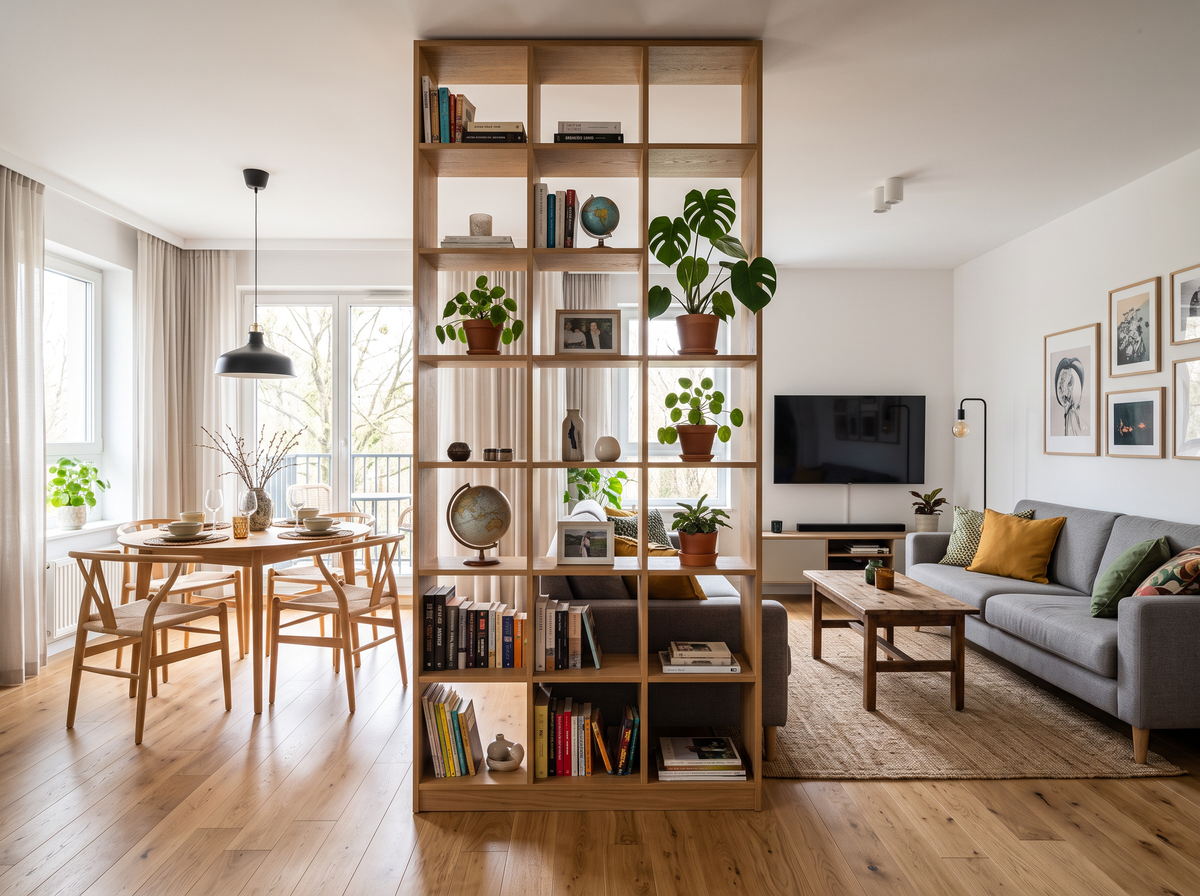
Raumteiler – wie teilt man einen offenen Raum clever in Zonen?
Erinnerst du dich noch an die unvergleichliche Leichtigkeit deiner ersten eigenen Wohnung oder der Studentenzeit? Das sanfte Knistern einer Lieblingsschallplatte auf dem Plattenspieler, stundenlange Gespräche bei einer dampfenden Tasse Tee auf dem Sofa und ein einziger großer Raum, in dem das ganze Leben stattfand – von den ersten Prüfungsabschnitten über spontane Kochabende mit Freunden bis hin zu Momenten des berauschenden Neuanfangs. Damals ging es nicht um starre Wände oder makellose Katalog-Vorgaben. Es ging darum, sich eine eigene kleine Nische zu schaffen, die sich rundum nach Zuhause anfühlte.
Weiterlesenüber Raumteiler – wie teilt man einen offenen Raum clever in Zonen?
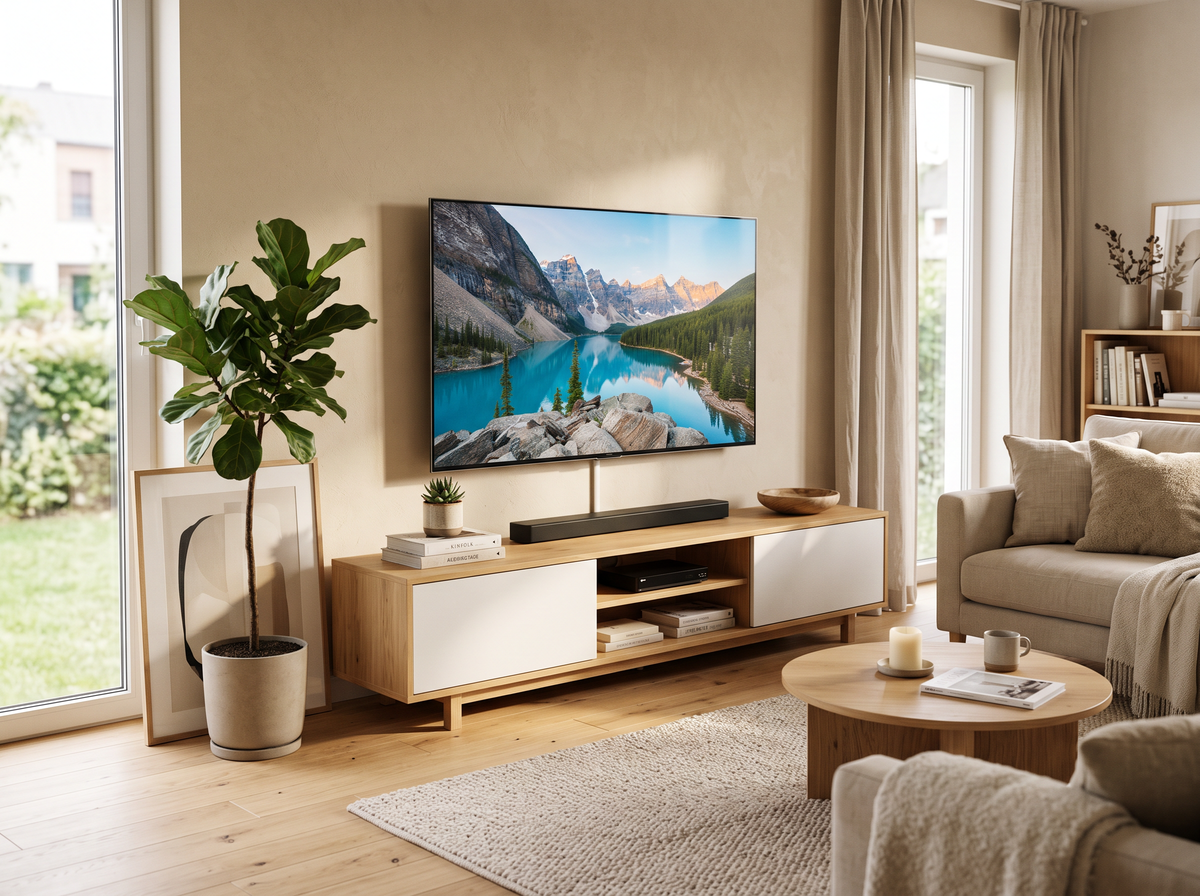
Lowboard – welches TV-Board passt zu Ihrem Wohnzimmer und Fernseher?
Erinnerst du dich noch an die gemütlichen Filmabende deiner Kindheit und Jugend? Das sanfte Flimmern des Bildschirms im abgedunkelten Wohnzimmer, der Duft von frischem Popcorn und die Vorfreude auf die neueste Folge deiner Lieblingsserie oder einen unvergesslichen Filmklassiker auf Videokassette? Damals bildete das Wohnzimmer das pulsierende Herz des Familienlebens. Es war ein Ort voller Geborgenheit, unbeschwerter Gespräche und musikalischer Entdeckungen, deren Melodien uns bis heute begleiten.
Weiterlesenüber Lowboard – welches TV-Board passt zu Ihrem Wohnzimmer und Fernseher?
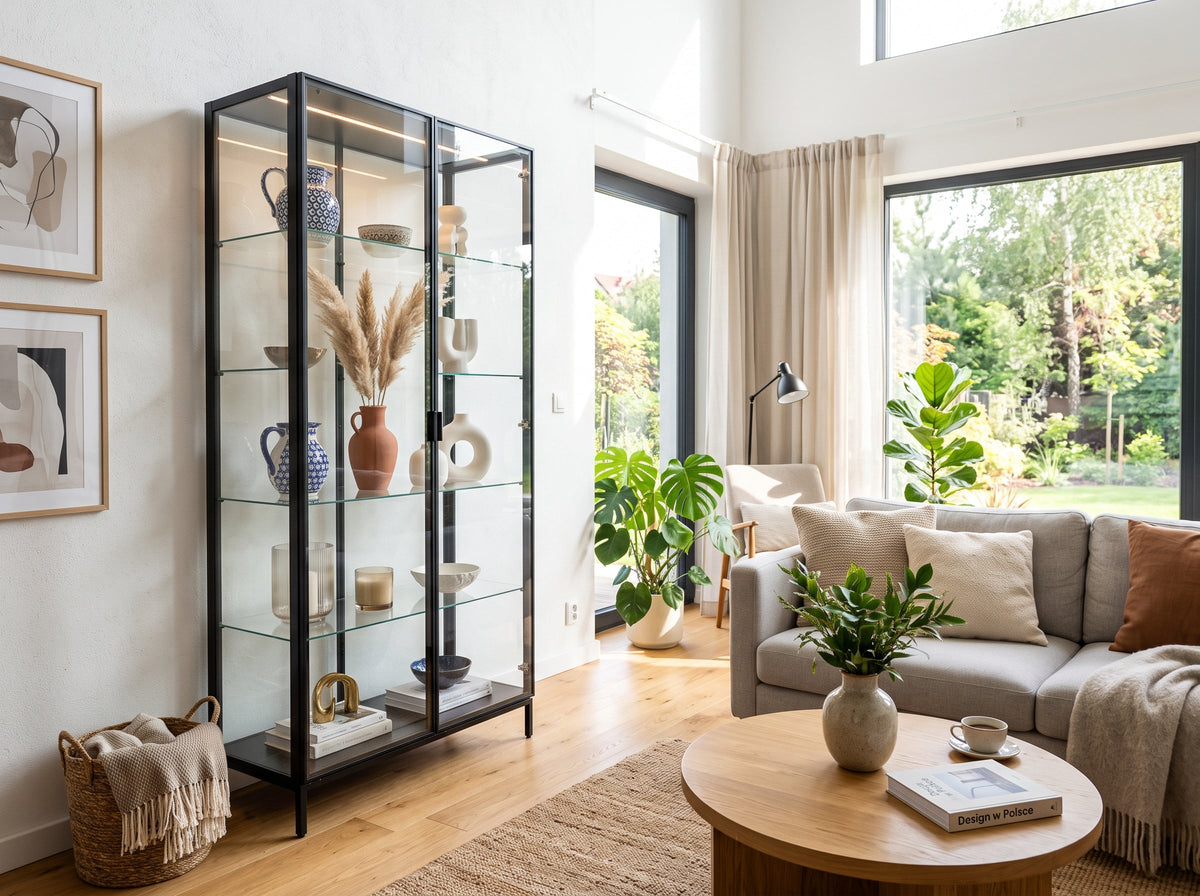
Vitrine – wie wählt man sie aus und wie inszeniert man Sammlungen stilvoll?
Erinnerst du dich noch an dieses ganz besondere, unbeschwerte Gefühl an den Sonntagnachmittagen deiner Kindheit? Der warme Duft von frischem Kuchen in der Küche, das sanfte Klappern von feinem Porzellan und im Hintergrund das leise Rauschen des Radios, aus dem die unvergesslichen Hits deiner Jugend erklangen? Bei unseren Großeltern und Eltern stand an der schönsten Stelle im Wohnzimmer fast immer ein ganz besonderes Möbelstück: eine klassische Vitrine oder ein Anrichten-Aufsatz. Hinter den glänzenden Glasscheiben verbargen sich die wertvollsten Schätze der Familie – handbemaltes Geschirr, schimmernde Kristallgläser, alte Fotoalben mit Schwarz-Weiß-Aufnahmen, Schallplatten und kleine Mitbringsel aus vergangenem Urlaub. Als Kinder haben wir diese Fächer voller Staunen betrachtet; als Erwachsene erinnern wir uns an sie als das Herzstück unseres Zuhauses.
Weiterlesenüber Vitrine – wie wählt man sie aus und wie inszeniert man Sammlungen stilvoll?



Teilen:
Wohnzimmerfarben – So wählen Sie die beste Wandfarbe für Ihr Wohnzimmer
Liegesessel – Wie man den bequemsten auswählt und worauf man achten sollte