


- von Daniel Pawlik
What Is MDF? Is MDF Furniture a Good Choice?
- von Daniel Pawlik
Furnishing a new home or refreshing your living room after years? Browsing furniture, you keep seeing the same abbreviation: MDF. So what is MDF – and is it a good material for furniture that should last for years? Most shoppers ask this today, and rightly so: choosing the material is one of those moments when it pays to know what to look for, before you pay and start screwing the legs onto a wardrobe.
Let's start with the basics. MDF stands for Medium Density Fibreboard. It is an engineered wood product made from finely ground wood fibres bonded with synthetic resins under high pressure and temperature.
The result is a uniform, smooth board with a stable structure – no grain, knots or natural irregularities typical of solid wood. In practice, MDF is a material that can be cut, routed and finished exactly as needed, regardless of fibre direction.
MDF comes in thicknesses from a few millimetres to over 30 mm. The thicker the board, the stiffer and heavier it is – important when choosing cabinet furniture.

MDF has become a dominant material in furniture making for good reason. Its properties meet very specific needs of both manufacturers and users.
You will find MDF furniture almost everywhere: in bedrooms, living rooms, kitchens and offices. The most common uses are:
Before you decide, look at both the enthusiastic and the more critical opinions. Like every material, MDF has strengths and weaknesses.
Opinions on MDF furniture are mostly positive when the product comes from a reliable manufacturer and is properly finished. The most common complaints concern cheap furniture made from thin MDF with unfinished edges that quickly delaminate. Good MDF, well made, can last for years without problems.
Short answer: yes – as long as you know what you are looking for. MDF furniture is perfect for modern interiors where clean lines, consistent colour and precise workmanship matter.
Chipboard (particleboard) is lighter and cheaper, but MDF wins on smoothness, routing possibilities and edge strength. If you are investing in furniture that should survive several house moves and many years of use, MDF furniture is usually a better investment than the cheapest chipboard alternatives.

Is MDF real wood?
MDF is an engineered wood product, not solid wood. It is made from wood fibres bonded with resin. It behaves differently from natural wood – more uniform, but more sensitive to moisture.
Is MDF furniture durable?
Yes, with good workmanship and normal use. The key factors are board thickness, binder quality (emission class) and careful edge finishing.
What is moisture-resistant MDF and where is it used?
MR MDF is a moisture-resistant version, used in bathroom and kitchen furniture where standard MDF would not last.
Can MDF furniture be refurbished?
Yes – lacquered fronts can be sanded and repainted with furniture or chalk paint. It is a great way to give an old piece a second life instead of throwing it away. See our guide to painting furniture.
Is MDF safe for allergy sufferers?
Boards meeting the E1 emission class or lower emit very little formaldehyde and are considered safe for normal home use. Ask the manufacturer about the emission class when buying.
If you are looking for furniture that combines good looks with function and will last years of everyday use, explore Pillovely – furniture made with care for materials and details.
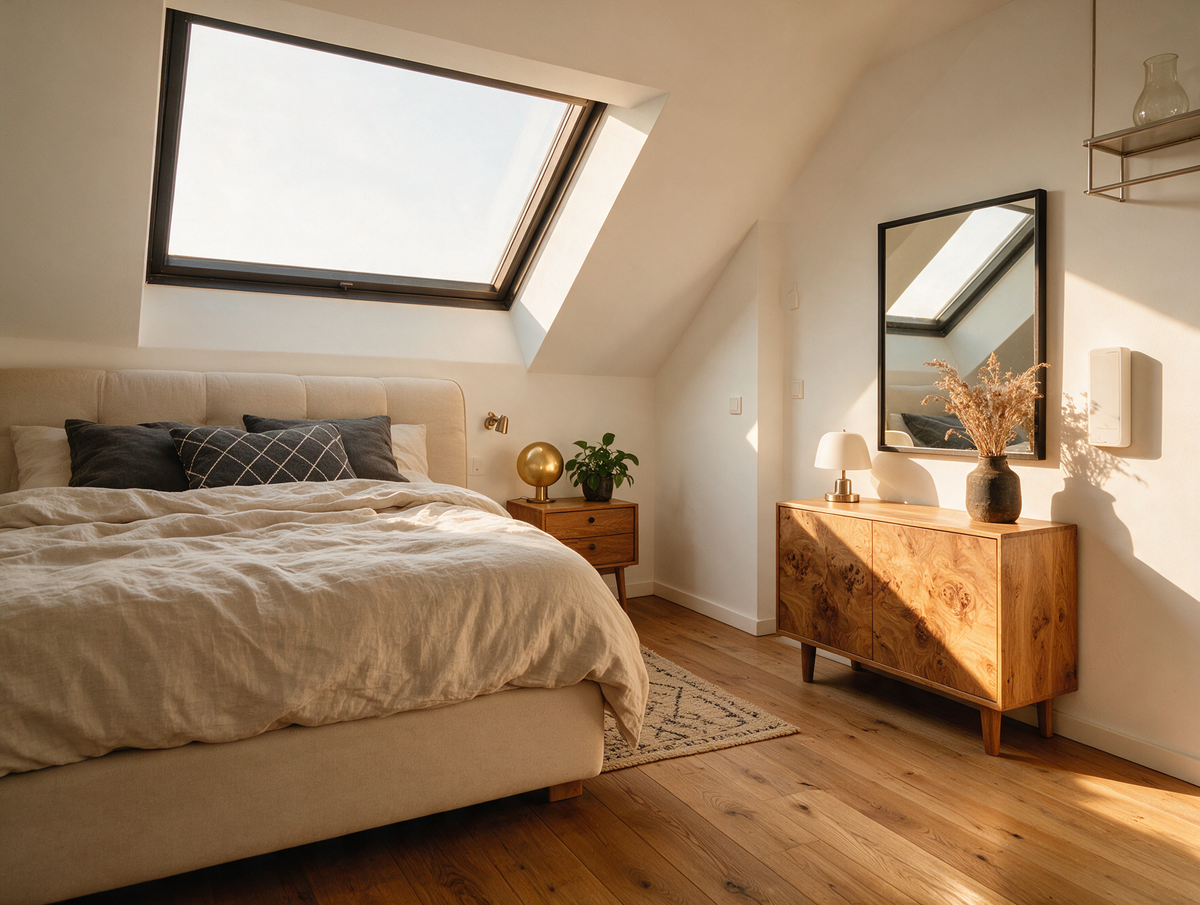
Schlafzimmer mit Dachschräge einrichten – wie nutzt man schräge Wände clever?
Ein Schlafzimmer mit Dachschräge hat einen ganz eigenen Charme. Schräge Wände, Holzbalken und Dachfenster schaffen eine Atmosphäre, die man in einem gewöhnlichen Zimmer kaum findet. Gleichzeitig stellt der Raum besondere Anforderungen: Der niedrige Kniestock schränkt die Stellfläche ein, und falsch gewählte Farben lassen das Zimmer schnell eng wirken. Gut geplant kann ein Schlafzimmer unter der Dachschräge jedoch zum gemütlichsten Raum im ganzen Haus werden – vorausgesetzt, Sie beginnen mit dem Bett, wählen anschließend niedrige Möbel und kümmern sich zum Schluss um Licht und Textilien.
Weiterlesenüber Schlafzimmer mit Dachschräge einrichten – wie nutzt man schräge Wände clever?
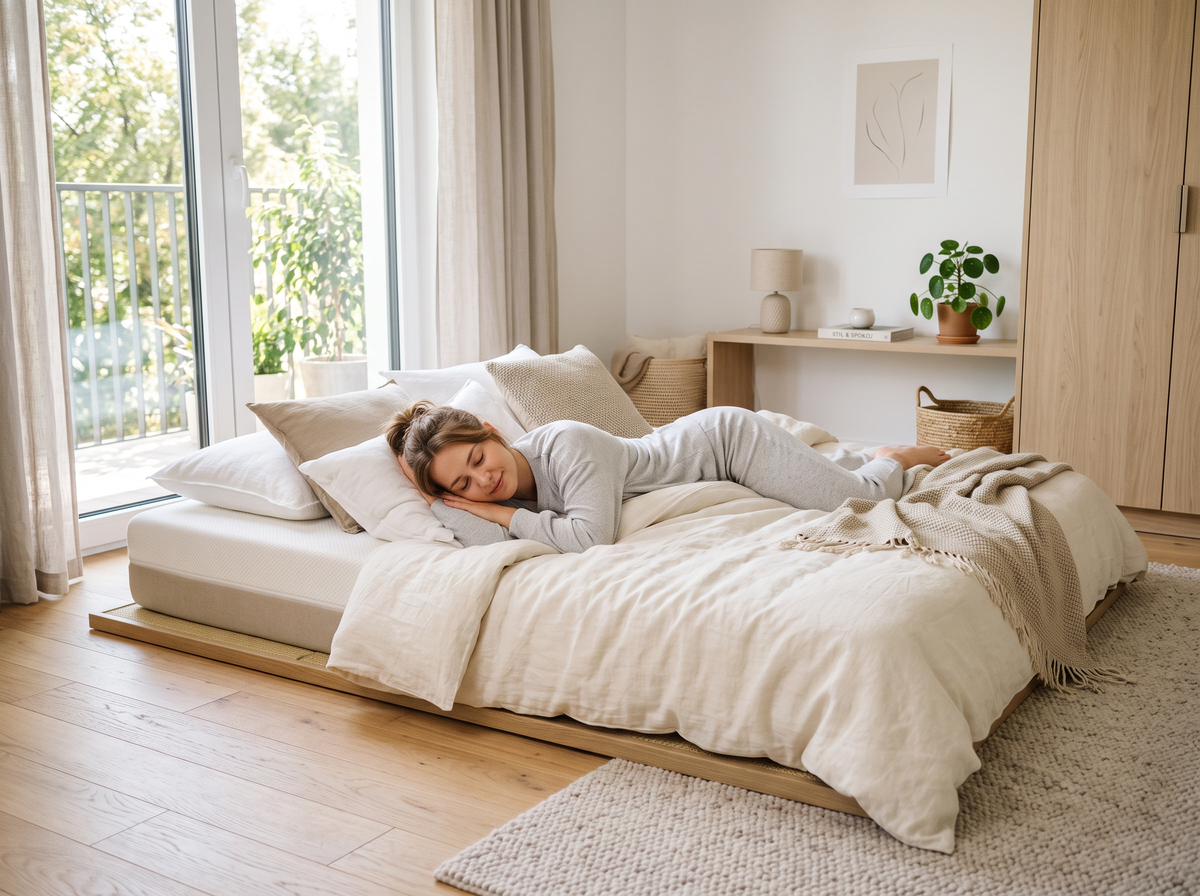
Kaltschaummatratze oder Federkernmatratze? Der Vergleich, der die Wahl erleichtert
Die Frage „Kaltschaummatratze oder Federkernmatratze?” gehört zu den häufigsten Entscheidungen beim Matratzenkauf. Beide Varianten können bequem sein, unterscheiden sich aber deutlich im Aufbau, im Liegegefühl, in der Belüftung und darin, für welche Schlafgewohnheiten sie besonders gut passen. Deshalb gibt es nicht die eine beste Matratze für alle. Entscheidend ist, wie Sie schlafen, wie Ihr Körper auf Druck reagiert, ob Ihnen nachts schnell warm wird und welches Bettgestell Sie verwenden.
Weiterlesenüber Kaltschaummatratze oder Federkernmatratze? Der Vergleich, der die Wahl erleichtert
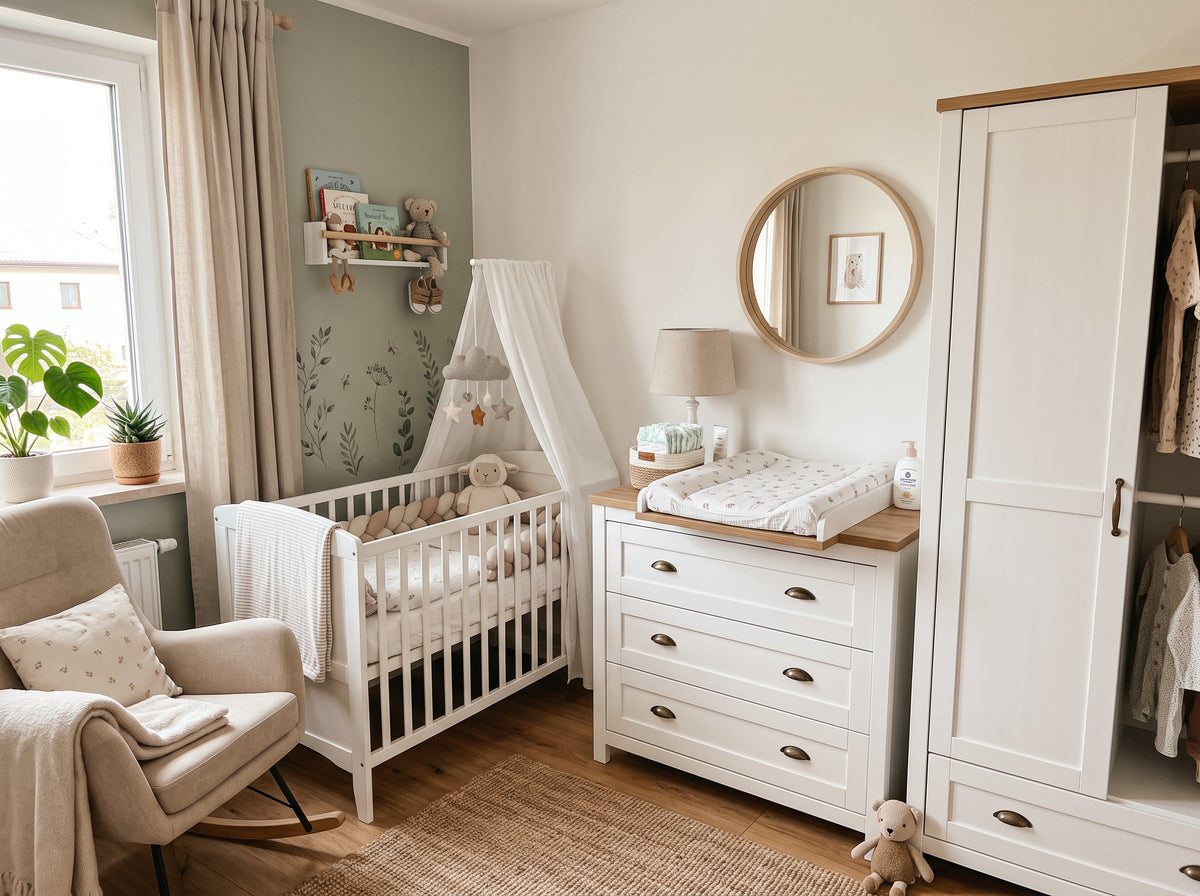
Babyzimmer einrichten - wie gestaltet man ein sicheres und gemütliches Zimmer fürs Baby?
Ein Babyzimmer einzurichten bedeutet nicht, den Raum mit möglichst vielen Möbeln und Dekorationen zu füllen. Viel wichtiger ist eine ruhige, sichere und gut organisierte Umgebung, die den Alltag mit Baby erleichtert. Am Anfang braucht ein Baby vor allem einen geschützten Schlafplatz, eine praktische Wickelzone, Stauraum für Kleidung und Pflegeprodukte sowie eine angenehme Atmosphäre. Alles andere kann nach und nach ergänzt werden, wenn klarer wird, wie der Raum tatsächlich genutzt wird.



Teilen:
Farbkonzepte für ein blaues Sofa – stilvolle Ideen, um Ihr Wohnzimmer zu verwandeln
Chaise Lounge – wie man das perfekte Stück für Stil, Komfort und Funktionalität auswählt