


- von Daniel Pawlik
Minimalist Interior Design – How to Create a Warm Minimalist Home
- von Daniel Pawlik
Remember the unique, peaceful calm of Sunday mornings in your family home? Warm light through the net curtains, the smell of fresh coffee and your favourite 80s band playing quietly on the radio. Back then, home was not a perfect, sterile catalogue. It was a refuge where every corner had its story and you simply felt safe and at home.
Today, when adult life brings constant rush, phone notifications and information overload, we increasingly look for an escape from stimulation. We want to come back to a place that calms us, gives us room to breathe and time for ourselves. That is why minimalist interior design is so popular.
But minimalism the Pillovely way is much deeper than bare walls and giving things up. We believe a home is not just wallpaper and furniture — it is emotions and memories: carefree childhood, teenage rebellion, crazy student years. Your interior should tell your own authentic story.
How do you bring minimalism into your home without losing warmth? Here is a complete guide to designing an interior in the spirit of less is more.

Modern minimalist style comes from mid-20th-century architecture and Eastern philosophy, where less is more. At its core, it is about removing everything unnecessary, random and impractical from a space.
Yet minimalism is often wrongly associated with coldness, a lack of cosiness and sterile simplicity. We reject that view. For us, a minimalist interior is the considered art of choosing — giving up visual noise in favour of what truly brings you calm, comfort and joy.
With this approach, a minimalist home becomes your private studio — a quiet place to recharge.
The living room is the heart of every home — where you relax after work, spend time with loved ones, listen to music and watch favourite films. When designing a minimalist living room, focus on clear zones and furniture that combines simplicity with maximum comfort.
The centrepiece of a calm living room is the seating area. Sofas in light, muted shades — soft beige, cream or warm grey — work beautifully. If you have more space, choose a corner sofa or modular sofa that adapts to your life. Choose tactile fabrics with texture, such as corduroy or soft knit, which soften simple forms with a cosy feel.
Order in a minimalist living room is not about throwing everything away — it is about smart storage.
Stick to earthy colours: light beiges, off-whites and deep green. For us, green is not just a fashionable shade but a nod to nature and an eco-friendly approach. One or two natural accents — a real plant in a ceramic pot or a linen throw — add depth.
In small homes and studio flats, minimalism stops being just a style choice and becomes a practical necessity. Too many things in a small space quickly feel cramped and overwhelming.
Want to learn more about creating harmony in different styles? Read our guides to Japandi living rooms and loft style.
This is the most common question and biggest worry for people planning a minimalist interior: how do you keep clean lines and still create a real refuge?
The answer is warm minimalism. Much of the interiors world sends a message of distance: "feel prestigious", "show your success", "buy luxury". We reject that. You do not need to buy hugely expensive things for show to prove something to the neighbours.
We know furniture is not just a factory object — it is a quiet witness to your everyday successes, conversations over tea, lazy Sunday mornings and family gatherings.

A minimalist home should not be a list of sacrifices or a chase after an ideal imposed from outside. Home is your refuge — the place where you kick off your shoes, put on a favourite song from your youth and simply feel at home.
Choose light sofas, functional chests of drawers and TV units that bring harmony, lightness and order to your home.
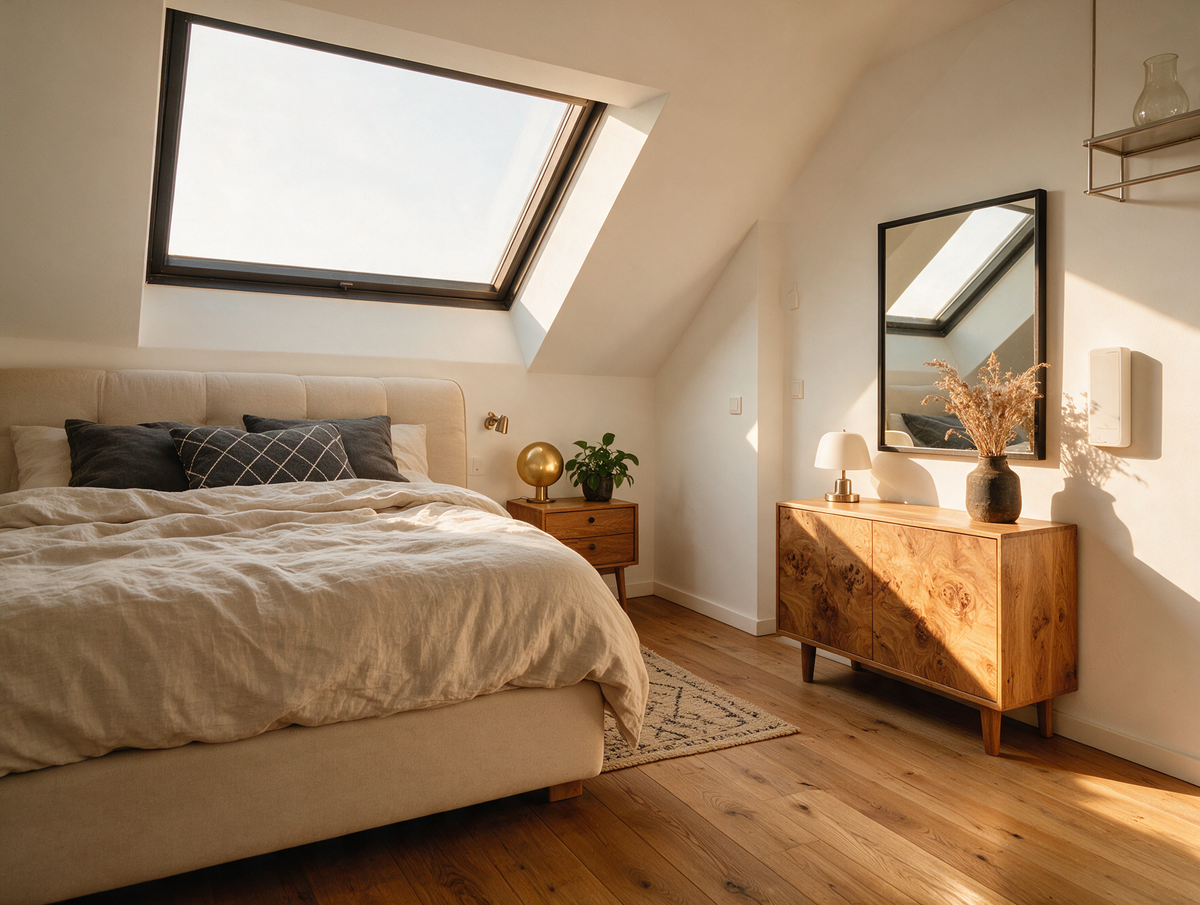
Schlafzimmer mit Dachschräge einrichten – wie nutzt man schräge Wände clever?
Ein Schlafzimmer mit Dachschräge hat einen ganz eigenen Charme. Schräge Wände, Holzbalken und Dachfenster schaffen eine Atmosphäre, die man in einem gewöhnlichen Zimmer kaum findet. Gleichzeitig stellt der Raum besondere Anforderungen: Der niedrige Kniestock schränkt die Stellfläche ein, und falsch gewählte Farben lassen das Zimmer schnell eng wirken. Gut geplant kann ein Schlafzimmer unter der Dachschräge jedoch zum gemütlichsten Raum im ganzen Haus werden – vorausgesetzt, Sie beginnen mit dem Bett, wählen anschließend niedrige Möbel und kümmern sich zum Schluss um Licht und Textilien.
Weiterlesenüber Schlafzimmer mit Dachschräge einrichten – wie nutzt man schräge Wände clever?
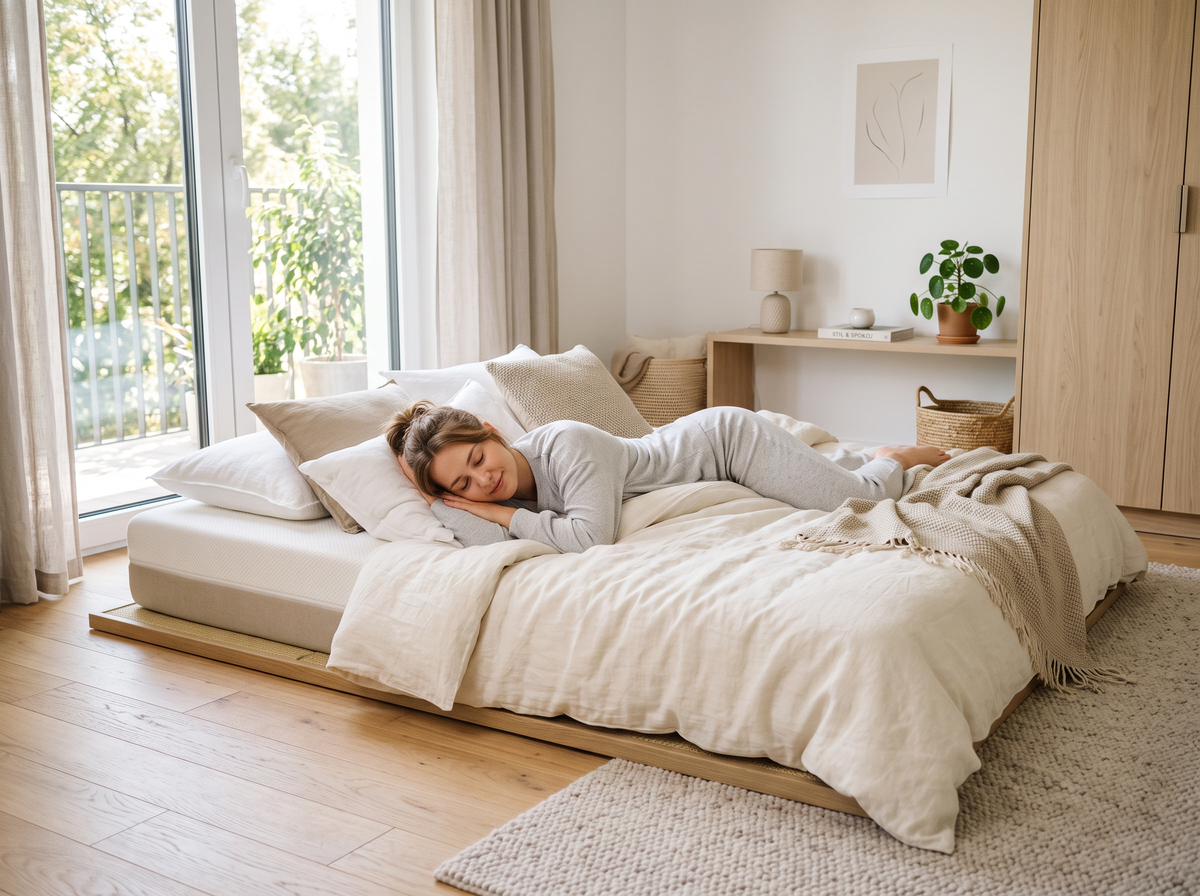
Kaltschaummatratze oder Federkernmatratze? Der Vergleich, der die Wahl erleichtert
Die Frage „Kaltschaummatratze oder Federkernmatratze?” gehört zu den häufigsten Entscheidungen beim Matratzenkauf. Beide Varianten können bequem sein, unterscheiden sich aber deutlich im Aufbau, im Liegegefühl, in der Belüftung und darin, für welche Schlafgewohnheiten sie besonders gut passen. Deshalb gibt es nicht die eine beste Matratze für alle. Entscheidend ist, wie Sie schlafen, wie Ihr Körper auf Druck reagiert, ob Ihnen nachts schnell warm wird und welches Bettgestell Sie verwenden.
Weiterlesenüber Kaltschaummatratze oder Federkernmatratze? Der Vergleich, der die Wahl erleichtert
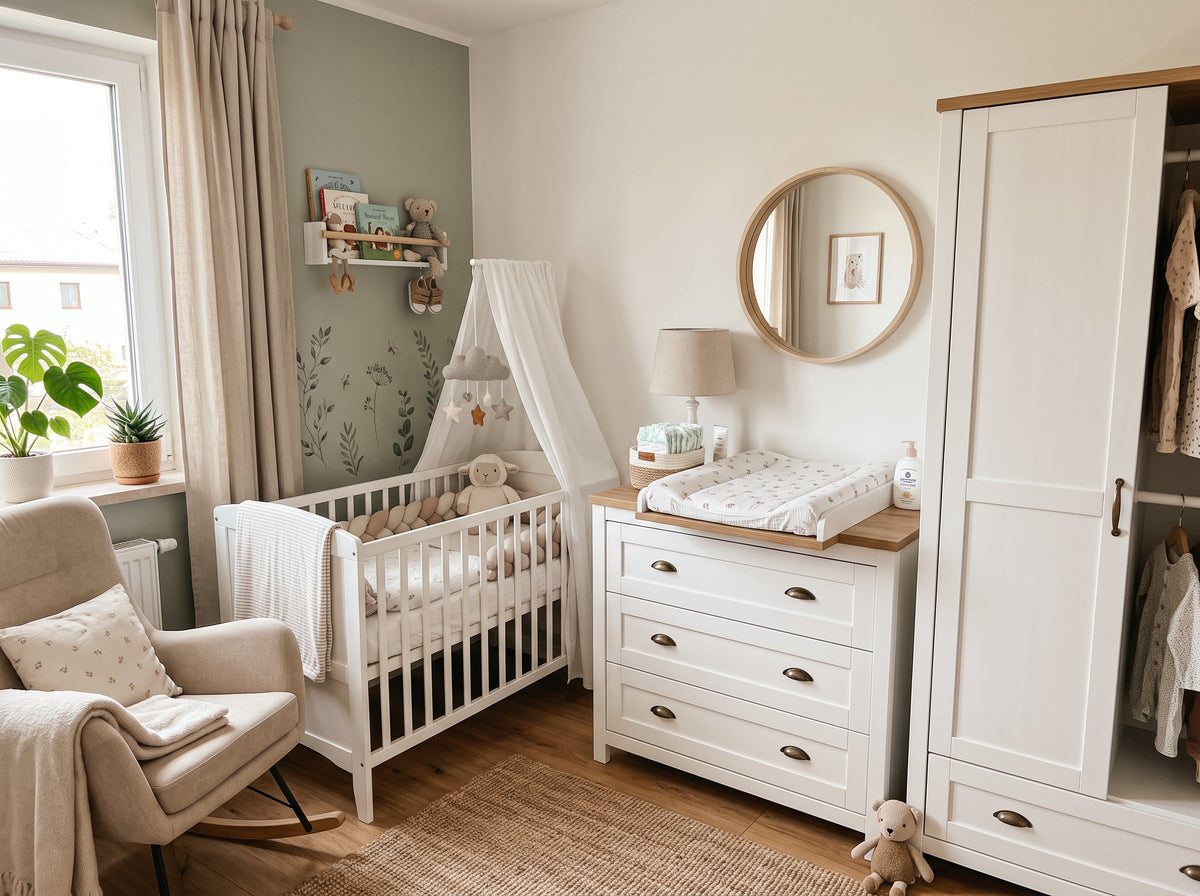
Babyzimmer einrichten - wie gestaltet man ein sicheres und gemütliches Zimmer fürs Baby?
Ein Babyzimmer einzurichten bedeutet nicht, den Raum mit möglichst vielen Möbeln und Dekorationen zu füllen. Viel wichtiger ist eine ruhige, sichere und gut organisierte Umgebung, die den Alltag mit Baby erleichtert. Am Anfang braucht ein Baby vor allem einen geschützten Schlafplatz, eine praktische Wickelzone, Stauraum für Kleidung und Pflegeprodukte sowie eine angenehme Atmosphäre. Alles andere kann nach und nach ergänzt werden, wenn klarer wird, wie der Raum tatsächlich genutzt wird.



Teilen:
Living Room Lighting Ideas – How to Choose Lamps for a Modern Living Room
Room Divider Ideas – How to Split an Open-Plan Space Into Zones Without Building Walls