


- von Daniel Pawlik
Japandi Wohnzimmer – Minimalistische Ideen für ein warmes und modernes Zuhause
- von Daniel Pawlik
Es gibt ein besonderes Gefühl, wenn man einen Raum betritt, der ruhig ist, ohne kalt zu wirken – ein Ort, der atmet, wo jedes Objekt seinen Platz gefunden zu haben scheint. Dieses Gefühl hat jetzt einen Namen: Japandi. Es ist der stille Treffpunkt zwischen japanischem Minimalismus und skandinavischer Wärme, und es ist zu einem der beliebtesten Ansätze für moderne Wohnräume geworden.
Wenn Sie sich schon immer ein Zuhause gewünscht haben, das sich sowohl gelassen als auch bewohnt anfühlt – die Art von Raum, in den Sie nach einem langen Tag gerne zurückkehren – könnte ein Japandi-Wohnzimmer genau das Richtige für Sie sein. Im Folgenden erfahren Sie, wie Sie ein solches einrichten, die richtigen Möbelstücke auswählen und es auch in einer kleineren Wohnung umsetzen können.
Im Kern dreht sich das Japandi-Wohnzimmer um Ausgewogenheit. Das japanische Design bringt Zurückhaltung, natürliche Materialien und die Philosophie des Wabi-Sabi – die Schönheit im Unvollkommenen und Abgenutzten zu finden. Das skandinavische Design fügt Hygge hinzu: Gemütlichkeit, Wärme und einen Fokus auf das alltägliche Wohlbefinden. Zusammen schaffen sie etwas, was keine der Traditionen allein erreicht – Minimalismus, der sich tatsächlich einladend anfühlt.
Um dieses Gefühl der Ruhe zu schaffen, leisten einige Prinzipien die meiste Arbeit:
Führend sind Naturmaterialien — helle Hölzer (Eiche, Esche, Walnuss), Leinen, Baumwolle, Bambus, Rattan, Stein und Keramik
Eine erdige Farbpalette beibehalten — warme Weißtöne, sanfte Beiges, gedämpfte Grautöne und erdige Grüntöne, gelegentlich mit Anthrazit oder Schwarz als Kontrast
Negativraum nutzen — Raum zum Atmen lassen; nicht jede Wand oder Oberfläche muss gefüllt werden
Qualität über Quantität wählen — weniger, aber bessere Objekte, die man wirklich liebt
Textur schichten, nicht überladen — ein grob gestrickter Überwurf, ein handgewebter Korb, eine raue Keramikschale
Das Ergebnis ist ein Raum, der sich bewusst anfühlt. Es liegt auch eine subtile Nostalgie darin – Japandi-Innenarchitektur bedient sich Handwerkstraditionen, die das Handgemachte und Langlebige schätzen, so wie ein durch die Familie weitergegebenes Stück eine leise Geschichte erzählt. Wenn Sie tiefer in die Gestaltung einer beruhigenden Farbpalette eintauchen möchten, finden Sie weitere Informationen in unserem speziellen Leitfaden zu natürlichen Farbschemata.

Das Sofa ist der Anker des gesamten Raumes, daher lohnt es sich, es richtig zu wählen. Ein Japandi-Sofa zeichnet sich durch klare, niedrige Silhouetten aus – nichts Überdimensioniertes oder Verschnörkeltes, aber immer bequem genug, um sich an einem entspannten Sonntag darin zu versenken.
Hier sind unsere Empfehlungen, worauf Sie bei einem Japandi-Sofa achten sollten:
Ein niedriges, horizontales Profil — Japandi bevorzugt Sofas, die näher am Boden sitzen, was das japanische Design widerspiegelt
Natürlicher, taktiler Bezug — Leinen, Baumwolle, Bouclé oder Wollmischungen in neutralen Tönen anstelle von glänzenden oder synthetischen Stoffen
Sichtbare Holz- oder schmale Metallbeine — sie lassen das Möbelstück leicht und luftig wirken, anstatt schwer
Weiche, aber strukturierte Kissen — Komfort ist wichtig, aber die Linien sollten klar bleiben
Eine gedämpfte Farbe — Hafer, Sand, sanftes Grau oder Salbeigrün passen perfekt in die Farbpalette
Ein schlichtes Zwei- oder Dreisitzer-Sofa aus warmbeigem Leinen mit hellen Holzbeinen ist fast schon ein Japandi-Kennzeichen – es funktioniert, egal ob Ihr Zimmer eher japanisch-spartanisch oder skandinavisch-gemütlich ist. Wenn Sie es stylen, halten Sie Kissen tonal und strukturiert, anstatt grell gemustert; das Sofa sollte ein Ort sein, um die Augen auszuruhen, nicht nur den Körper. Entdecken Sie unsere Auswahl an flachen, natürlich gepolsterten Sofas bei Pillovely.
Das Schöne an diesem Stil ist, wie gut er zu kompakten Wohnungen passt. Ein kleines Japandi-Wohnzimmer sieht oft besser aus als ein großes, weil der Minimalismus die Hauptarbeit leistet – weniger visuelles Rauschen lässt jeden Raum größer und ruhiger wirken.
Wenn Sie mit begrenzten Quadratmetern arbeiten, helfen diese Japandi-Wohnzimmer-Ideen, den Raum offen und bewusst wirken zu lassen:
Niedrige Möbel wählen — niedrige Sofas und Tische lenken den Blick nach unten und lassen Decken höher wirken
Sichtbare Beine wählen — Möbel auf schlanken Beinen lassen Licht und Boden durchscheinen, was den Raum optisch erweitert
Eine enge Farbpalette beibehalten — zwei oder drei Töne im gesamten Raum verhindern, dass ein kleiner Raum überladen wirkt
Multifunktionale Stücke verwenden — ein Couchtisch mit verstecktem Stauraum, eine Bank, die auch als Regal dient
Natürliches Licht hereinlassen — durchsichtige Leinenstoffe statt schwerer Vorhänge und Spiegel, um das Tageslicht zu reflektieren
Mit Zurückhaltung dekorieren — eine schöne Keramikvase ist besser als ein Regal voller Krimskrams
Ein praktischer Tipp, den wir oft teilen: In einem kleinen Japandi-Wohnzimmer sollten Sie mindestens eine Oberfläche fast vollständig leer lassen. Dieser einzige Fleck zum Atmen signalisiert dem Auge, dass der gesamte Raum ruhig ist, selbst wenn der Rest sanft gestylt ist. Weitere Informationen zur Einrichtung kompakter Räume finden Sie in unserem detaillierten Leitfaden zur Raumaufteilung.
Sobald das Sofa steht und die Anordnung stimmt, ist die letzte Schicht aus Japandi-Möbeln und Accessoires das, was den Raum zum Leben erweckt – leise, niemals laut.
Der Japandi-Couchtisch verdient besondere Aufmerksamkeit, da er im Mittelpunkt des Geschehens steht. Achten Sie auf:
Massivholz- oder Holz-Stein-Konstruktion — Eiche, Walnuss oder helle Esche mit sichtbarer Maserung
Einfache, abgerundete oder rechteckige Formen — organische Kanten wirken weicher und handgemachter
Eine niedrige Höhe — passend zum niedrigen Sofa bleiben die Proportionen harmonisch
Funktionale Einfachheit — ein unteres Regal oder eine dezente Schublade bietet Stauraum, ohne die klaren Linien zu unterbrechen
Drumherum erzählen die Accessoires den Rest der Geschichte. Einige, die das Japandi-Interieur-Design wunderschön einfangen:
Handgefertigte Keramik — eine texturierte Vase, eine Steingutschale, eine bewusst stehen gelassene, unperfekte Tasse
Geflochtene und natürliche Texturen — Rattankörbe, Juteteppiche, Leinenkissen
Sparsam eingesetztes Grün — eine einzelne skulpturale Pflanze (ein Olivenbaum, ein Bonsai oder eine rankende Efeutute) statt eines Dschungels
Warme, dimmbare Beleuchtung — Papierlaternen, Keramik-Tischlampen und warme Glühbirnen um 2700K
Einige bedeutungsvolle Objekte — ein Stapel gut gelesener Bücher, ein Kunstwerk mit persönlicher Bedeutung
Die leitende Frage für jedes Objekt ist einfach: Verdient es seinen Platz? Japandi-Möbel belohnen diese Art des Reduzierens. Der Raum handelt weniger von Dingen und mehr davon, wie es sich anfühlt, dort zu leben. Couchtische, Beleuchtung und natürliche Accessoires, die dieser Philosophie entsprechen, finden Sie unter pillovely.com.

Welche Farben passen am besten in ein Japandi-Wohnzimmer?
Warme Neutraltöne bilden die Basis – sanftes Weiß, Beige, Hafer und gedämpftes Grau – akzentuiert mit erdigen Grüntönen, Terrakotta und gelegentlich Anthrazit oder Schwarz für Kontrast und Tiefe.
Ist Japandi dasselbe wie Minimalismus?
Nicht ganz. Japandi teilt die Zurückhaltung des Minimalismus, ist aber wärmer und taktiler. Wo reiner Minimalismus streng wirken kann, mildert Japandi den Look mit natürlichen Texturen und einem Gefühl von Gemütlichkeit.
Kann Japandi in einer kleinen Wohnung funktionieren?
Ja – es ist einer der besten Stile für kompakte Räume. Niedrige Möbel, eine enge Farbpalette und bewusst freigelassener Raum lassen ein kleines Japandi-Wohnzimmer größer und ruhiger wirken, als es tatsächlich ist.
Welche Art von Sofa passt in ein Japandi-Wohnzimmer?
Ein niedriges Japandi-Sofa mit natürlicher Polsterung – Leinen, Baumwolle oder Bouclé – in einem gedämpften Farbton, idealerweise mit sichtbaren Holzbeinen. Komfort mit klaren Linien ist das Ziel.
Wie sorge ich für Wärme, ohne den minimalistischen Look zu zerstören?
Schichten Sie Texturen statt Farben oder Unordnung. Ein grober Wollüberwurf, ein gewebter Korb, handgefertigte Keramik und warme Beleuchtung sorgen für Gemütlichkeit, während der Raum ruhig und aufgeräumt bleibt.
Welche Materialien prägen das Japandi-Interior-Design?
Helle und mittlere Holztöne, Leinen, Baumwolle, Rattan, Bambus, Stein und Keramik. Der Schwerpunkt liegt immer auf natürlichen, taktilen und gut verarbeiteten Materialien, die anmutig altern.
Ein Japandi-Wohnzimmer entsteht nicht an einem einzigen Nachmittag – es wird langsam zusammengetragen, Stück für Stück, bis der ganze Raum wie ein tiefes Durchatmen wirkt. Wenn Sie mit den richtigen Grundlagen beginnen möchten, werfen Sie einen Blick auf unsere Kollektion von flachen Sofas, Tischen aus Naturholz und handgefertigten Accessoires unter pillovely.com. Die ruhigsten Räume sind selten die am reichsten dekorierten – sie sind einfach die, die sich wie Zuhause anfühlen.
Wenn Ihnen dieser Text gefallen hat, schauen Sie sich auch unsere anderen Inspirationen an:
Blush Pink Color – How to Style It with Furniture and Accessories for a Modern Home
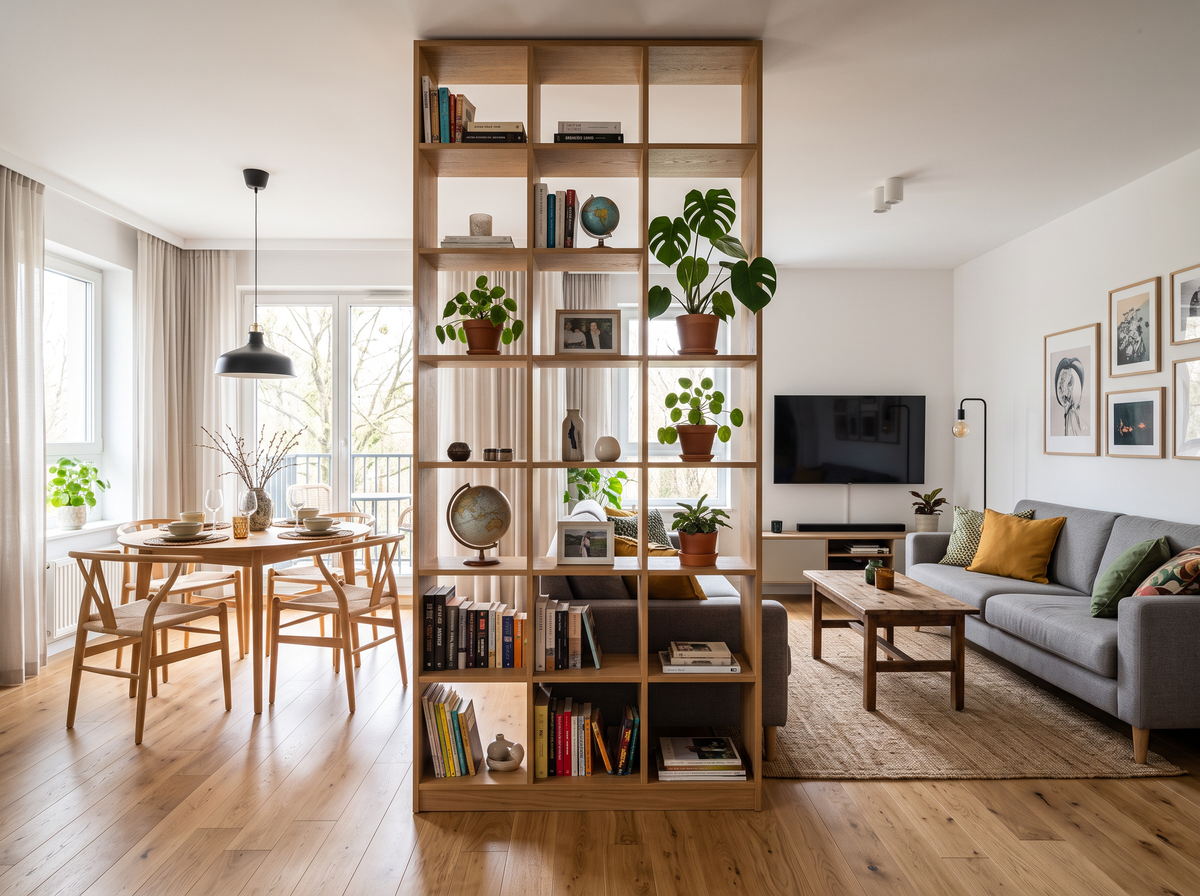
Raumteiler – wie teilt man einen offenen Raum clever in Zonen?
Erinnerst du dich noch an die unvergleichliche Leichtigkeit deiner ersten eigenen Wohnung oder der Studentenzeit? Das sanfte Knistern einer Lieblingsschallplatte auf dem Plattenspieler, stundenlange Gespräche bei einer dampfenden Tasse Tee auf dem Sofa und ein einziger großer Raum, in dem das ganze Leben stattfand – von den ersten Prüfungsabschnitten über spontane Kochabende mit Freunden bis hin zu Momenten des berauschenden Neuanfangs. Damals ging es nicht um starre Wände oder makellose Katalog-Vorgaben. Es ging darum, sich eine eigene kleine Nische zu schaffen, die sich rundum nach Zuhause anfühlte.
Weiterlesenüber Raumteiler – wie teilt man einen offenen Raum clever in Zonen?
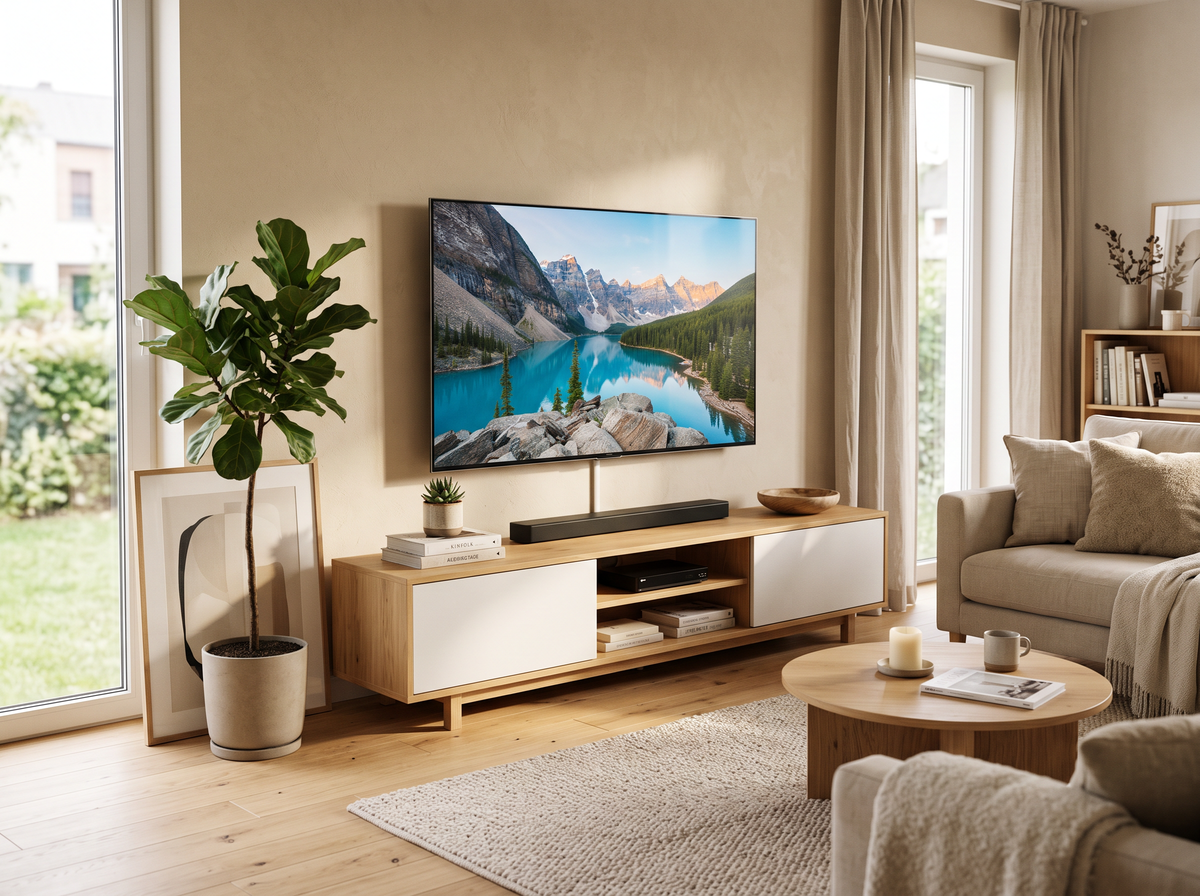
Lowboard – welches TV-Board passt zu Ihrem Wohnzimmer und Fernseher?
Erinnerst du dich noch an die gemütlichen Filmabende deiner Kindheit und Jugend? Das sanfte Flimmern des Bildschirms im abgedunkelten Wohnzimmer, der Duft von frischem Popcorn und die Vorfreude auf die neueste Folge deiner Lieblingsserie oder einen unvergesslichen Filmklassiker auf Videokassette? Damals bildete das Wohnzimmer das pulsierende Herz des Familienlebens. Es war ein Ort voller Geborgenheit, unbeschwerter Gespräche und musikalischer Entdeckungen, deren Melodien uns bis heute begleiten.
Weiterlesenüber Lowboard – welches TV-Board passt zu Ihrem Wohnzimmer und Fernseher?
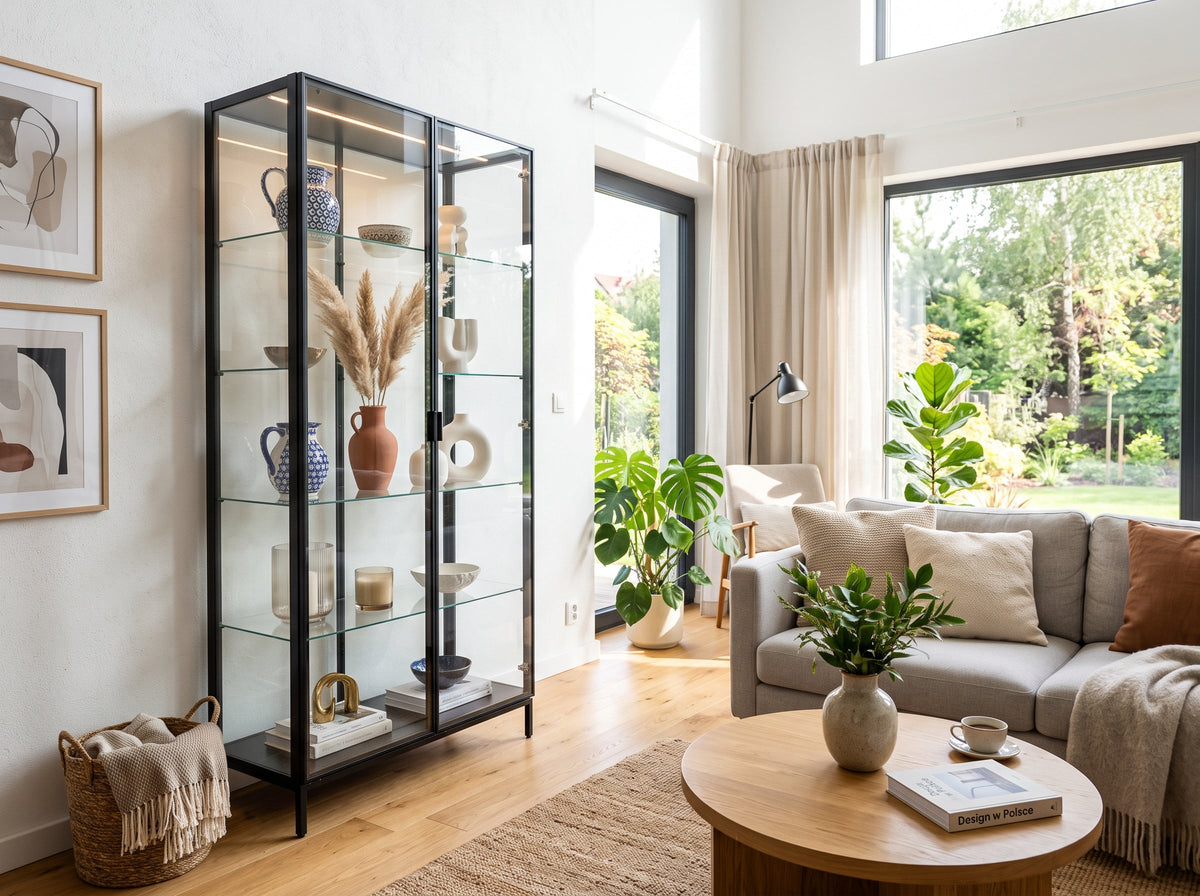
Vitrine – wie wählt man sie aus und wie inszeniert man Sammlungen stilvoll?
Erinnerst du dich noch an dieses ganz besondere, unbeschwerte Gefühl an den Sonntagnachmittagen deiner Kindheit? Der warme Duft von frischem Kuchen in der Küche, das sanfte Klappern von feinem Porzellan und im Hintergrund das leise Rauschen des Radios, aus dem die unvergesslichen Hits deiner Jugend erklangen? Bei unseren Großeltern und Eltern stand an der schönsten Stelle im Wohnzimmer fast immer ein ganz besonderes Möbelstück: eine klassische Vitrine oder ein Anrichten-Aufsatz. Hinter den glänzenden Glasscheiben verbargen sich die wertvollsten Schätze der Familie – handbemaltes Geschirr, schimmernde Kristallgläser, alte Fotoalben mit Schwarz-Weiß-Aufnahmen, Schallplatten und kleine Mitbringsel aus vergangenem Urlaub. Als Kinder haben wir diese Fächer voller Staunen betrachtet; als Erwachsene erinnern wir uns an sie als das Herzstück unseres Zuhauses.
Weiterlesenüber Vitrine – wie wählt man sie aus und wie inszeniert man Sammlungen stilvoll?



Teilen:
Blush Pink – Wie man die Farbe mit Möbeln und Accessoires für ein modernes Zuhause kombiniert
Purple Living Room Deko – Elegante Ideen für ein stilvolles und modernes Interieur