


- von Daniel Pawlik
Esszimmerstühle – So wählen Sie die perfekten Stühle für Ihren Esstisch
- von Daniel Pawlik
Der Esstisch ist das ruhige Hauptquartier des Zimmers. Hier dauern Sonntagsessen lange, hier werden um 7 Uhr morgens Schulbrotboxen gepackt, hier unterhält sich der Freund, der zum Abendessen kam, noch um Mitternacht. Die Stühle drumherum sind die Nebendarsteller – und wie alle guten Nebendarsteller entscheiden sie über das Gelingen oder Misslingen der ganzen Szene.
Ein schlechter Esszimmerstuhl zeigt sich innerhalb einer Stunde. Der Sitz, der einen Zentimeter zu tief ist. Die Lehne, die einen nach vorne drückt, anstatt zu stützen. Der Stoff, der jeden Brotkrümel auffängt. Ein gut gewählter Stuhl hingegen lässt das Essen stattfinden und verschwindet stillschweigend darin – genau das, was gutes Design tun sollte. Im Folgenden gehen wir die Arten von Esszimmerstühlen durch, die es wert sind, gekannt zu werden, ob Polstermodelle ihren Preis wert sind, wie man die benötigte Anzahl ermittelt und was bei modernen Esszimmerstühlen im Jahr 2026 tatsächlich neu ist.
Esszimmerstühle gibt es in mehr Variationen, als die meisten Leute wissen. Die richtige Art hängt von Ihrem Tisch, Ihrem Raum und der Art und Weise ab, wie Sie zu Hause tatsächlich essen.
Beistellstühle (Side Chairs) – die häufigste Art. Keine Armlehnen, dezente Silhouette, leicht unter den Tisch zu schieben. Die Standardwahl für die meisten Haushalte.
Armlehnstühle – breiter, mit Armlehnen. Werden normalerweise am Kopf- und Fußende des Tisches platziert. In älteren Settings signalisierten sie Hierarchie; in modernen Räumen werden sie wegen des Komforts bei langen Mahlzeiten gewählt.
Gepolsterte Stühle – Stoffsitze oder Ledersitze (und manchmal Rückenlehnen) über einem Holz- oder Metallrahmen. Weicher zum Sitzen, wärmer im Gefühl und im Allgemeinen optisch ansprechender.
Holzstühle – klassisch, langlebig und leicht zu kombinieren. Eiche, Esche, Nussbaum, Buche – die Holzwahl bestimmt die gesamte Atmosphäre des Raumes.
Stühle mit Metallrahmen – im Industrie- oder Mid-Century-Stil. Oft schlanker im Profil, was in kleineren Esszimmern hilft.
Drehstühle – einst ein Merkmal von Büromöbeln, werden sie jetzt zunehmend an Esstischen für Kücheninsel-Arrangements und offene Esszimmer verwendet. Das Ondris Set aus zwei Drehstühlen ist ein gutes Beispiel dafür, wie das Format elegant und nicht büroähnlich wirken kann.
Bänke – bieten Platz für zwei oder drei Personen auf einer Seite. Am besten geeignet für zwanglose Esszimmer, Familienküchen oder wenn der Platz auf dem Boden knapp ist.
Ein nützlicher Trick: Das Mischen von zwei Typen in einem Raum (zwei Armlehnstühle an den Enden, Beistellstühle an den Seiten) verleiht sofort einen visuellen Rhythmus, ohne ungeplant auszusehen. Sie können die aktuellen Optionen in der Pillovely Esszimmerstühle-Kollektion durchsuchen, um zu sehen, was zu Ihrem bestehenden Tisch passt.

Die Frage nach gepolsterten Esszimmerstühlen versus Modellen mit harter Sitzfläche stellt sich ständig, und die ehrliche Antwort ist: Es hängt davon ab, wie lange Sie sitzen und was Sie essen.
Gepolsterte Esszimmerstühle lohnen sich, wenn:
Mahlzeiten zu Hause routinemäßig länger als 45 Minuten dauern,
Sie den Esstisch unter der Woche als Schreibtisch oder Hausaufgabenplatz nutzen,
Sie einen weicheren, wärmeren Look im Raum wünschen,
Sie ein hartkantiges Interieur (Beton, Glas, polierter Putz) mit etwas Taktilerem ausbalancieren.
Sie sind weniger ideal, wenn:
Sie täglich überwiegend unordentliche Mahlzeiten mit kleinen Kindern essen,
der Raum feucht ist (Küchen mit schlechter Belüftung können für Polsterungen problematisch sein),
Sie etwas wirklich abwischbares und pflegeleichtes wünschen.
Stoff-Esszimmerstühle aus strapazierfähigen Geweben oder Samt mit Easy-Clean-Behandlung bewältigen den modernen Familienalltag besser, als ihr Ruf vermuten lässt. Abnehmbare, waschbare Bezüge lösen die meisten anderen Probleme. Für dramatischere Innenräume wirken Samt-Esszimmerstühle in tiefen Tönen – Waldgrün, Marineblau, Rost, Pflaume – unter Lampenlicht beim Abendessen auf leise magische Weise. Der Flor fängt das Licht anders ein und gibt es anders wieder als ein glatter Stoff, wodurch der Tisch selbst dann gedeckt wirkt, wenn er es nicht ist.
Grundlagen der Pflege für Stoff-Esszimmerstühle:
wöchentlich mit einem Polsteraufsatz saugen,
Flecken sofort mit einem feuchten Tuch behandeln, tupfen statt reiben,
vor jeder Nassreinigung das Pflegeetikett prüfen – Samt und Bouclé haben spezifische Eigenheiten,
einen zu Hause aufgetragenen Stoffschutzspray für zusätzliche Fleckenbeständigkeit in Betracht ziehen.
Wie viele Esszimmerstühle Sie benötigen, ist teils Mathematik, teils Gastfreundschaft.
Die Mathematik:
rechnen Sie mindestens 60 cm Tischkante pro Person für bequeme Ellbogenfreiheit,
lassen Sie 30 cm zwischen den Stuhllehnen, wenn Personen sitzen, damit die Gäste aufstehen können, ohne sich anzustoßen,
halten Sie mindestens 80 cm Freiraum hinter einem ausgezogenen Stuhl für Bewegung,
Stühle mit Armlehnen benötigen zusätzlichen Platz – messen Sie diese, nicht den Tisch.
Nach Tischgröße:
ein runder Tisch von 120 cm bietet bequem Platz für 4 Personen,
ein rechteckiger Tisch von 140–160 cm bietet Platz für 4 (oder 6 in beengten Verhältnissen),
ein rechteckiger Tisch von 180–200 cm bietet Platz für 6 mit Stühlen an den Enden, 8 nur mit Seitenstühlen,
ein rechteckiger Tisch von 220–240 cm bietet Platz für 8 Personen mit vollem Komfort.
Die Gastfreundschaft: Wie oft haben Sie tatsächlich 6 oder 8 Personen am Tisch? Die meisten Haushalte benötigen weniger Stühle, als sie denken, und profitieren von ein oder zwei zusätzlichen, die an anderer Stelle gelagert werden – an einer Flurkonsole, in einem Arbeitszimmer, an einer Wand. Ein Esszimmerstuhl-Set für 4 Personen ist die Standardausstattung für die meisten Wohnungen; ein Esszimmerstuhl-Set für 6 Personen ist für Haushalte geeignet, die regelmäßig Gäste empfangen oder schulpflichtige Kinder mit Freunden haben, die länger bleiben; Sets für 8 Personen sind normalerweise für größere Familienhäuser.
Beim Kombinieren von Stühlen mit einem neuen Tisch ist es einfacher, mit dem Tisch zu beginnen und sich nach außen zu arbeiten. Die Pillovely Esstische-Kollektion vermittelt Ihnen ein Gefühl für Standardabmessungen, um die Sie planen können, bevor Sie die Stühle selbst auswählen.
Moderne Esszimmerstühle erleben gerade einen stillen Moment. Nach Jahren der immer gleichen minimalistischen skandinavischen Silhouette hat sich die Kategorie aufgelockert – mehr Kurven, mehr Textur, mehr Farbe, mehr Persönlichkeit.
Was den Look im Jahr 2026 prägt:
Geschwungene Rückenlehnen und abgerundete Silhouetten. Die harten Kanten der Mid-Century-Ära werden weicher. Suchen Sie nach Stühlen mit sanft geschwungenen Rückenlehnen, organischen Kurven und kieselsteinförmigen Sitzen. Sie lassen sich besser fotografieren, sitzen bequemer und altern langsamer als schärfere Designs.
Bouclé und strukturierte Stoffe. Bouclé begann als Sofatrend und hat sich auf Esszimmerstühle ausgebreitet. Creme, Hafer, Ocker, Salbei – der Stoff übernimmt die Stylingarbeit und lässt die Silhouette einfach bleiben.
Erdtöne statt kühle Neutraltöne. Warme Brauntöne, Terrakotta, Rost, tiefes Oliv – das Esszimmer bewegt sich weg von Grau und Weiß hin zu etwas Erdigerem.
Stühle aus Materialmix. Holzrahmen, Stoffbezug, Metalldetails. Die Kombination wirkt weniger schablonenhaft und durchdachter.
Drehstühle kehren zurück. Lange Zeit mit Büroarbeit assoziiert, erleben Drehstühle eine Renaissance an Esstischen, insbesondere in offenen Küchen, wo der Essbereich an das Wohnzimmer grenzt.
Nachhaltigkeitsmerkmale. FSC-zertifiziertes Holz, Stoffe aus recycelten Materialien, wasserbasierte Oberflächen – Käufer fragen zunehmend nach der Herkunft, nicht nur nach dem Preis.
Was leise aus der Mode kommt: rein weiße Esszimmerstühle (zu unversöhnlich), glänzende Lackoberflächen (zu kalt) und straff geknöpfte Polsterungen (wirken außerhalb spezifischer Epochenstile altmodisch).
Für eine Essgruppe, die der aktuellen Richtung entspricht, setzen Sie auf warme Holzrahmen, weiche Polsterungen und einen tonalen Akzent im Raum – eine strukturierte Wand, ein tiefroter Vorhang oder eine skulpturale Pendelleuchte über dem Tisch.

Wie hoch sollten Esszimmerstühle sein?
Die Standard-Sitzhöhe beträgt 45–48 cm, passend für Esstische von 73–76 cm. Messen Sie beides – unterschiedliche Stuhl- und Tischhöhen sind der häufigste Grund, warum ein Set "unharmonisch" wirkt.
Kann ich verschiedene Esszimmerstühle am selben Tisch mischen?
Ja, und es wirkt oft durchdachter als ein passendes Set. Verankern Sie den Look mit einem gemeinsamen Element – einem gemeinsamen Holzton, einer gemeinsamen Stofffarbe oder einem gemeinsamen Rahmenstil – und lassen Sie den Rest variieren.
Sind gepolsterte Esszimmerstühle gut für Familien mit Kindern?
Ja, mit dem richtigen Stoff. Hochleistungsgewebe und pflegeleichte Samte sind bemerkenswert verzeihend. Vermeiden Sie locker gewebtes Leinen, wenn täglich verschüttet wird.
Wie reinige ich einen Samt-Esszimmerstuhl?
Saugen Sie wöchentlich mit einem weichen Bürstenaufsatz ab, bürsten Sie sanft in eine Richtung, um den Flor aufrecht zu halten, und behandeln Sie verschüttete Flüssigkeiten sofort mit einem leicht feuchten Tuch. Vermeiden Sie es, den Stoff einzuweichen.
Was ist der zeitloseste Esszimmerstuhl-Stil?
Ein einfacher Holzrahmen mit einem gepolsterten Sitz in einem neutralen Stoff. Er funktioniert in modernen, klassischen und Übergangsinterieurs und ist selten veraltet.
Die richtigen Esszimmerstühle passen nicht nur zu Ihrem Tisch – sie prägen, wie lange Menschen an ihm verweilen. Wenn Sie nach Stücken suchen, die darauf ausgelegt sind, Sonntagsessen eine Stunde länger als geplant dauern zu lassen, ist die Pillovely Esszimmerkollektion ein sinnvoller Ausgangspunkt, mit Stühlen und Tischen, die dazu gebaut sind, gut miteinander zu leben.
Wenn Ihnen dieser Text gefallen hat, schauen Sie sich auch unsere anderen Inspirationen an:
Sofa reinigen – Der komplette Leitfaden für Stoff- und Lederpolster
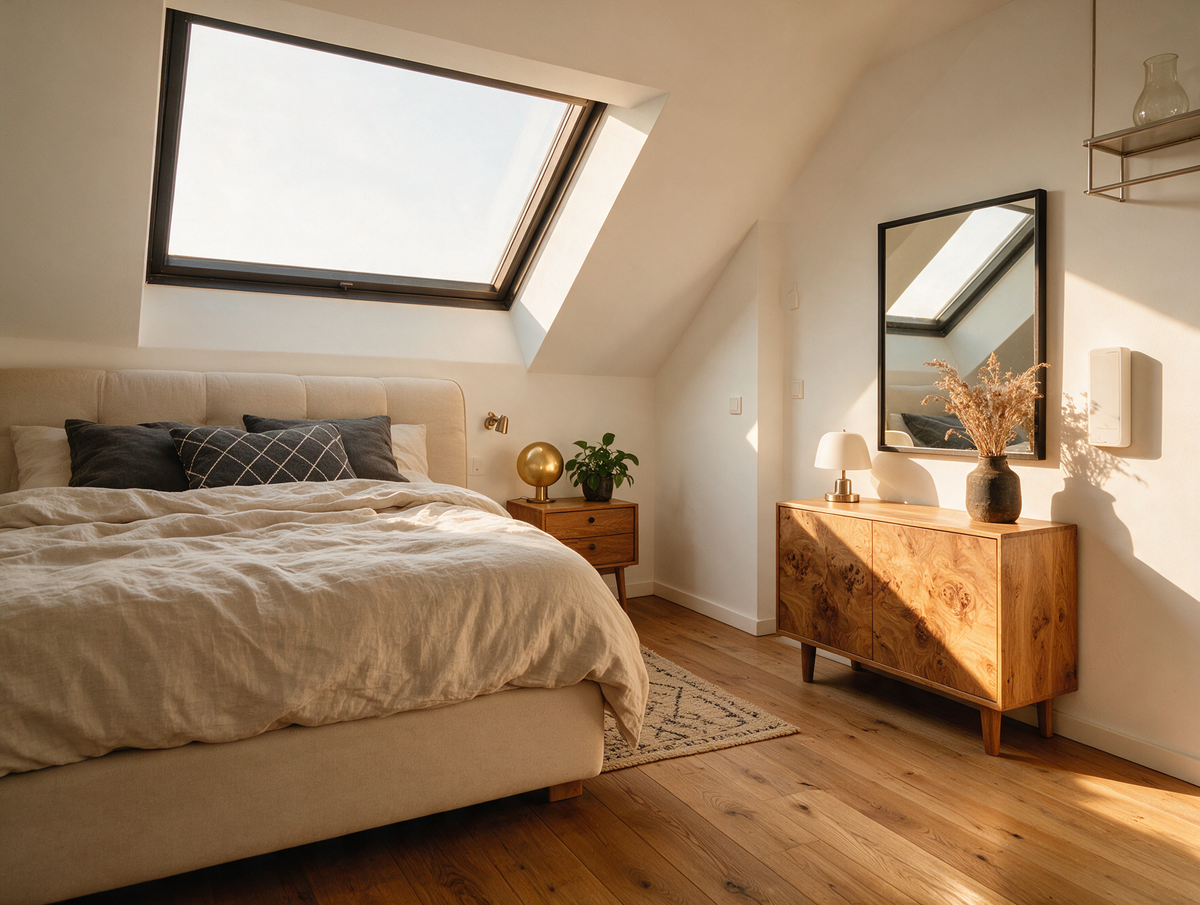
Schlafzimmer mit Dachschräge einrichten – wie nutzt man schräge Wände clever?
Ein Schlafzimmer mit Dachschräge hat einen ganz eigenen Charme. Schräge Wände, Holzbalken und Dachfenster schaffen eine Atmosphäre, die man in einem gewöhnlichen Zimmer kaum findet. Gleichzeitig stellt der Raum besondere Anforderungen: Der niedrige Kniestock schränkt die Stellfläche ein, und falsch gewählte Farben lassen das Zimmer schnell eng wirken. Gut geplant kann ein Schlafzimmer unter der Dachschräge jedoch zum gemütlichsten Raum im ganzen Haus werden – vorausgesetzt, Sie beginnen mit dem Bett, wählen anschließend niedrige Möbel und kümmern sich zum Schluss um Licht und Textilien.
Weiterlesenüber Schlafzimmer mit Dachschräge einrichten – wie nutzt man schräge Wände clever?
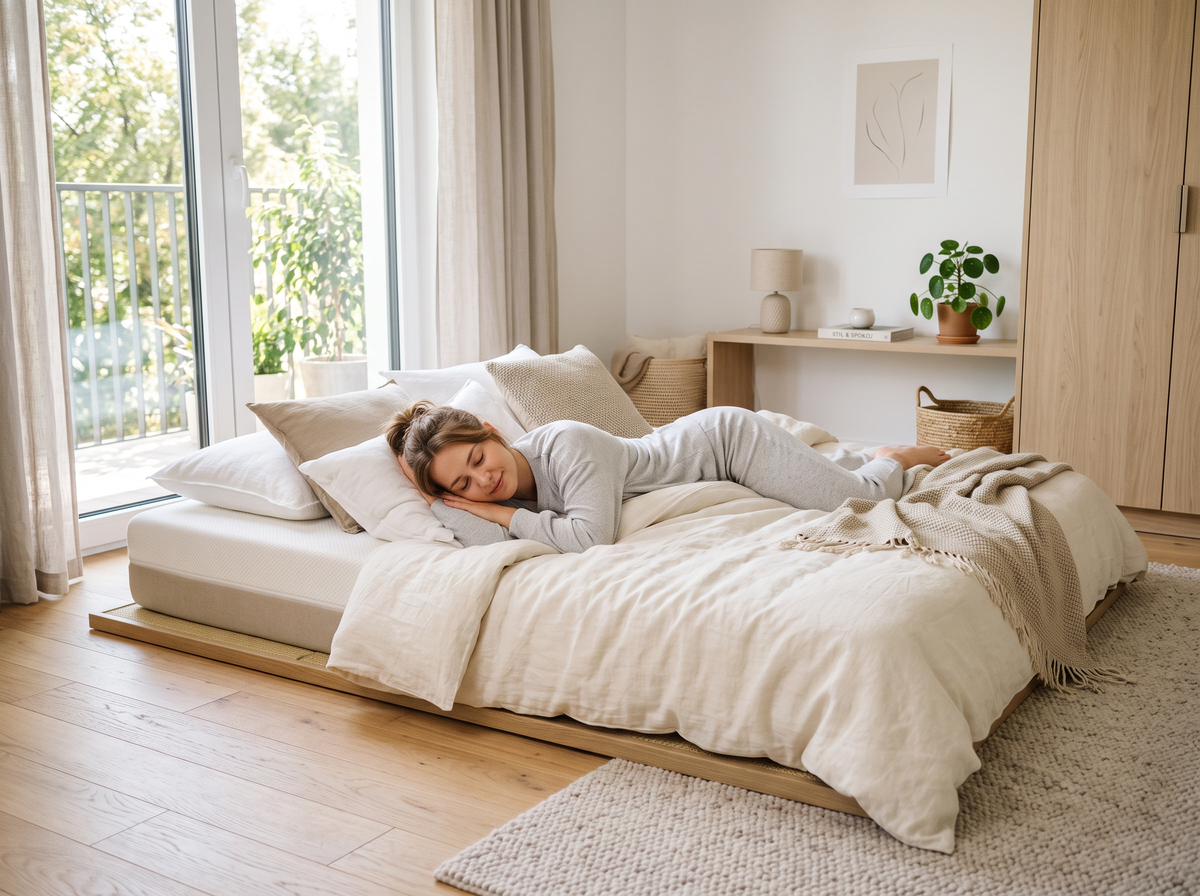
Kaltschaummatratze oder Federkernmatratze? Der Vergleich, der die Wahl erleichtert
Die Frage „Kaltschaummatratze oder Federkernmatratze?” gehört zu den häufigsten Entscheidungen beim Matratzenkauf. Beide Varianten können bequem sein, unterscheiden sich aber deutlich im Aufbau, im Liegegefühl, in der Belüftung und darin, für welche Schlafgewohnheiten sie besonders gut passen. Deshalb gibt es nicht die eine beste Matratze für alle. Entscheidend ist, wie Sie schlafen, wie Ihr Körper auf Druck reagiert, ob Ihnen nachts schnell warm wird und welches Bettgestell Sie verwenden.
Weiterlesenüber Kaltschaummatratze oder Federkernmatratze? Der Vergleich, der die Wahl erleichtert
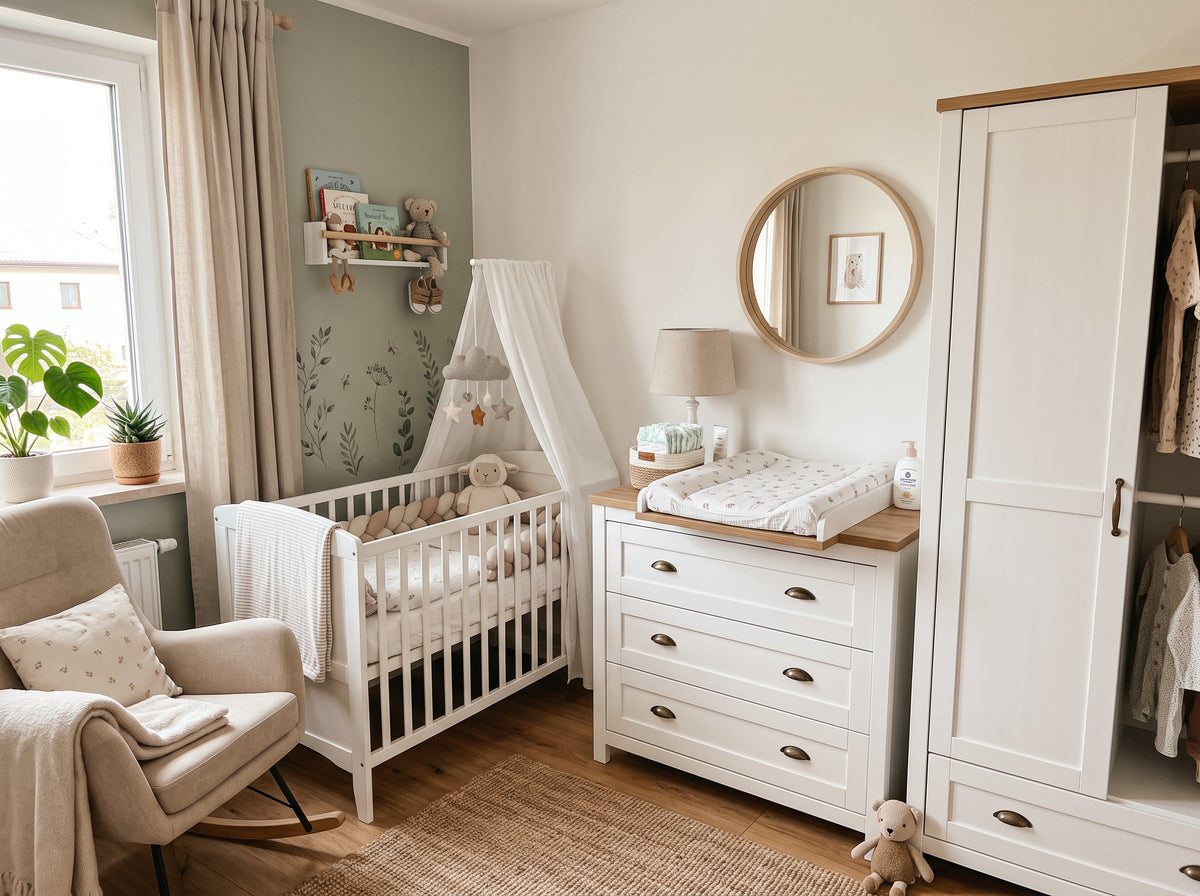
Babyzimmer einrichten - wie gestaltet man ein sicheres und gemütliches Zimmer fürs Baby?
Ein Babyzimmer einzurichten bedeutet nicht, den Raum mit möglichst vielen Möbeln und Dekorationen zu füllen. Viel wichtiger ist eine ruhige, sichere und gut organisierte Umgebung, die den Alltag mit Baby erleichtert. Am Anfang braucht ein Baby vor allem einen geschützten Schlafplatz, eine praktische Wickelzone, Stauraum für Kleidung und Pflegeprodukte sowie eine angenehme Atmosphäre. Alles andere kann nach und nach ergänzt werden, wenn klarer wird, wie der Raum tatsächlich genutzt wird.



Teilen:
How to Clean a Sofa – Der vollständige Leitfaden für Stoff- und Lederpolsterungen
Living Room Rug Ideas – How to Choose the Right Size, Shape and Material